Driving in Italy During Summer: Heatwaves, Highway Roadworks & Survival Tips for Families
Planning a scenic Italian road trip from Rome up to Lake Maggiore, the Amalfi Coast, or Florence sounds like an absolute dream. But for thousands of tourists every July and August, that dream hits a sudden wall of red brake lights on the Autostrada.

A drive estimated at 6 hours can easily stretch into a grueling 9-hour ordeal. When you combine intense Mediterranean heatwaves - often soaring past 38°C (100°F) - with young children in the back seat and surprise highway construction, a simple car journey can quickly become a stressful health crisis.
If you are planning to drive in Italy this summer, here is what you need to know about navigating highway maintenance, timing your departures, avoiding severe heat exhaustion, and keeping your family safe on the road.
The 9-Hour Trap: Why Italian Highway Delays Happen in Summer
Many international travelers assume highway driving in Italy is straight and fast thanks to the modern Autostrada network. However, summer brings a unique storm of logistical bottlenecks:
1. The Nighttime Maintenance (Cantieri) Bottleneck
Summer is peak maintenance season for Autostrade per l’Italia. Essential infrastructure projects - such as tunnel inspections, resurfacing, and viaduct repairs - are scheduled heavily during these months.
While major closures are set for overnight hours (typically starting around 9:00 PM to 10:00 PM), pre-work setups, lane reductions (riduzioni di corsia), and concrete barriers remain in place all day. A three-lane highway suddenly squeezing into a single lane creates massive, unexpected traffic jams.
2. The Infamous "Bologna Interchange"
If you are driving north from Rome toward Milan, Lake Como, or Lake Maggiore (via the A1 highway), your route converges at Bologna.
Bologna is Italy’s central highway junction where traffic from Rome (A1), the Adriatic Coast (A14), and Northern Italy merge. If you hit the Bologna-to-Lombardy corridor during late afternoon or early evening, you encounter a triple-threat: evening commuters, heavy freight trucks rushing to hit destination ports, and highway crews setting up evening roadworks.
Best (and Worst) Times to Drive in Italy
To avoid wasting half your vacation stuck on an asphalt parking lot, timing your departure is everything.
Leaving a major city like Rome at 5:00 PM might seem logical if you want to travel after a hotel checkout. However, this is the worst possible window. You will sit in afternoon rush-hour city traffic, drive during the hottest hours of the day, and arrive at critical highway interchanges right as evening construction setups begin.
The Best Time to Depart: Early Morning (5:00 AM – 6:00 AM)
Setting an early alarm and hitting the Autostrada at dawn is a game-changer:
Cooler Temperatures: You cover maximum distance before the sun drives ambient cabin and asphalt temperatures out of control.
Clear Bottlenecks: You pass major risk zones like Florence and Bologna before daytime traffic builds and hours before evening roadworks activate.
Kids Stay Asleep: Children usually sleep through the first 2 to 3 hours of an early morning drive.
Take Advantage of Sunday Truck Bans
In Italy, heavy commercial vehicles over 7.5 tons are banned from driving on major highways on most summer Sundays (typically from 7:00 AM to 10:00 PM). While passenger car traffic is still high, the absence of semi-trucks makes highway traffic flow significantly faster and smoother.
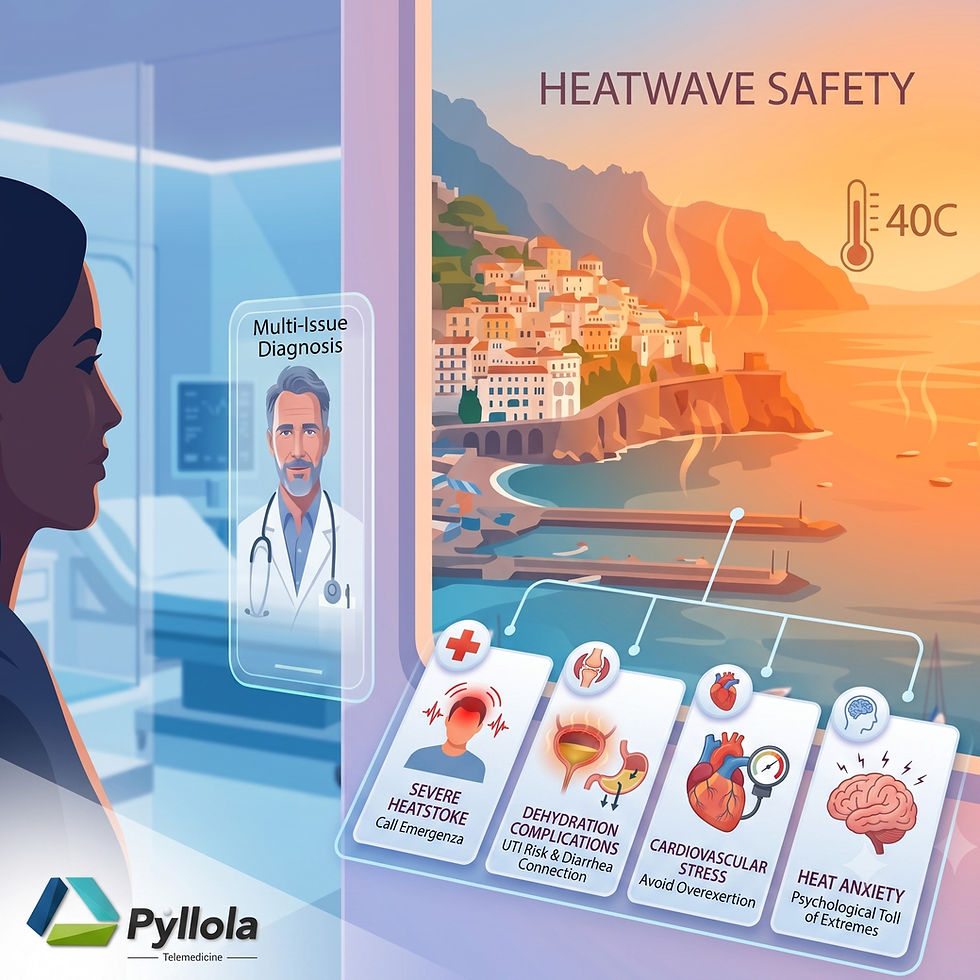
38°C Heatwave Safety: Protecting Your Family on the Road
Sitting trapped in gridlock when outside temperatures hit 38°C (100°F) is not just uncomfortable - it poses real medical risks, particularly for infants, elderly travelers, and pregnant women.
1. Beware of "Cabin Dehydration"
Air conditioning keeps your rental car cool, but it also strips humidity out of the air rapidly. Passengers - especially young kids who aren't active - often don't realize how quickly they are losing fluids.
The Rule: Carry at least 1.5 liters of drinking water per person in the vehicle cabin, not locked in the trunk.
Electrolytes: Keep oral rehydration solution (ORS) packets in your glove box. Adding electrolytes to water helps prevent heat-induced fatigue and dizziness.
2. Guard Against Heat Exhaustion
Watch your children for early signs of heat exhaustion during long delays:
Unusual lethargy or extreme irritability
Flushed, dry skin or excessive sweating
Complaints of nausea or a throbbing headache
If anyone shows these signs, pull into the next air-conditioned service station (Autogrill), apply cool wet towels to their neck and wrists, and sip fluids slowly.
3. Keep Medications Safe from Cabin Heat
If a car is turned off during a rest stop or stuck idling in extreme ambient heat, internal temperatures can quickly surpass 50°C (122°F). High temperatures can permanently spoil critical medications:
Insulin, EpiPens, and Antibiotics: Never leave temperature-sensitive medications in a parked car.
Travel Tip: Store all daily medications inside a small, insulated thermal pouch with a cool pack while traveling.
Road Trip Survival Hacks for Families
Use Live Traffic Navigation: Do not rely solely on your car's built-in offline GPS. Use Google Maps, Waze, or check the official Autostrade per l’Italia real-time portal (Infoviaggiando) to detect sudden cantieri or accidents ahead so you can re-route early.
Pack Window Sunshades: Direct sunlight beaming through rear side windows can quickly overheat car seats, even with the AC running on high.
Pace Your Rest Stops: Plan a 20-minute break every 2 hours at a highway service plaza (Autogrill). It gives kids a chance to stretch, resets driver focus, and provides access to clean restrooms and cold drinks.
Know Emergency Numbers: The general European emergency number in Italy is 112. If your vehicle breaks down on the highway, pull into an emergency bay (piazzuola di sosta), put on your high-visibility yellow vest, stand safely behind the guardrail, and call roadside assistance.
Need Medical Advice While Traveling in Italy?
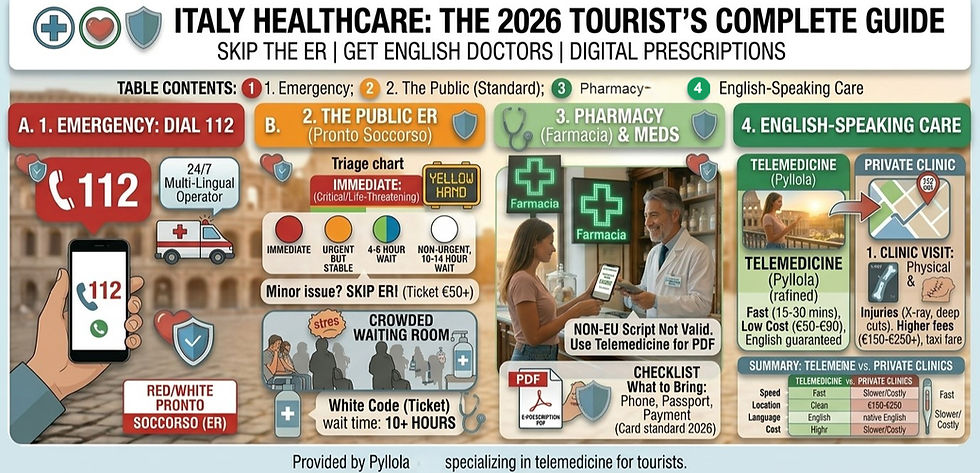
If a long journey leaves you or a family member feeling unwell, you don't need to spend hours sitting in a crowded local hospital emergency room (Pronto Soccorso).
With Pyllola, you can connect face-to-face with an English-speaking licensed doctor in Italy directly from your smartphone. Whether you need urgent medical advice, a evaluation for heat-related symptoms, or an official digital prescription (Ricetta Bianca) sent to a local pharmacy, our doctors are here to help keep your Italian vacation safe and stress-free.