The Traveler’s Guide to Gout in Italy: Managing Flare-ups in the Land of Feast
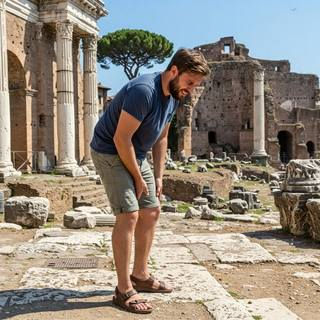
You’ve spent months planning your dream Italian vacation, anticipating the rolling hills of Tuscany, the historic walking tours of Rome, and the world-famous culinary scene. But after a few days of indulging in rich steaks, fresh coastal seafood, and local wine, you wake up in the middle of the night with a blinding, throbbing pain in your big toe or ankle. It feels hot to the touch, visibly swollen, and so sensitive that even the weight of a bedsheet is agonizing.
This isn't a simple ankle sprain from walking on uneven cobblestones - it's a classic gout attack. Gout is an inflammatory arthritis triggered by high levels of uric acid crystallizing in your joints. While a flare-up can happen anywhere, the purine-rich nature of traditional Italian cuisine combined with travel-induced dehydration makes tourists particularly vulnerable.
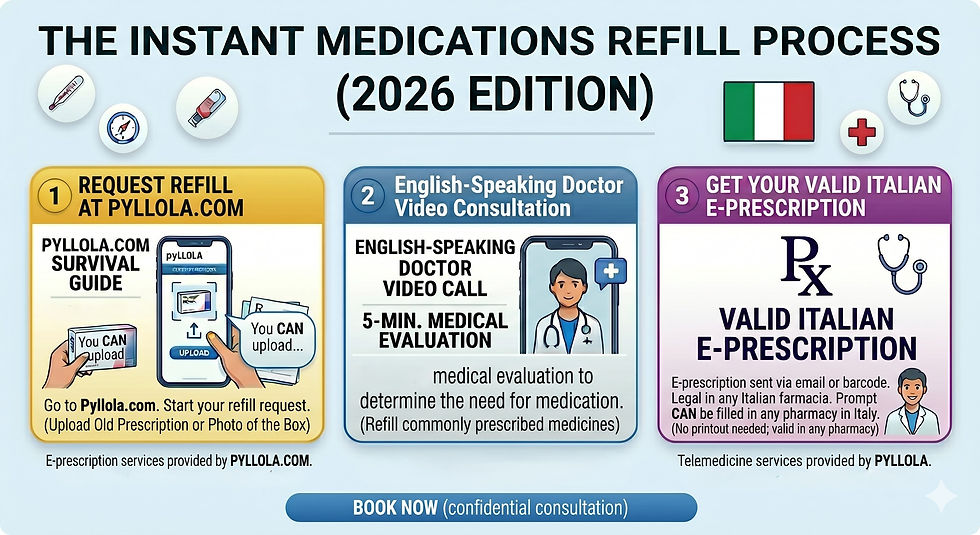
Stuck in your hotel room with agonizing joint pain or swelling? Don't try to limp through a crowded local hospital emergency room. Consult an English-speaking online doctor now to get an immediate medical evaluation and a valid Italian prescription for acute gout relief (like Colchicine or high-strength NSAIDs) sent straight to your phone.
🥩 The Italian Food Culprits: Why Gout Strikes on Vacation
Gout attacks occur when your body produces too much uric acid, or your kidneys under-excrete it. When you travel, your routine changes, and your intake of purines - the natural compounds that break down into uric acid - often spikes.
When navigating an Italian menu, those prone to gout should consume these high-purine traditional dishes in moderation:
Red and Game Meats: Hearty Tuscan fare like Bistecca alla Fiorentina (Florentine steak), veal dishes, and rich meat sauces like wild boar ragù are heavily loaded with purines.
Coastal Seafood: If you are exploring the Amalfi Coast or Venice, classic seafood dishes like Pasta ai Frutti di Mare (clams, mussels, shrimp), anchovies, and fresh sardines can instantly trigger an attack.
Alcohol and Wine: Vacation meals in Italy are traditionally paired with wine or local beers. Alcohol acts as a double-whammy for gout: beer is exceptionally high in purines, and all alcohol dehydrates your body, preventing your kidneys from efficiently flushing uric acid out of your bloodstream.
🔍 Is It Gout or "Roman Ankle"? How to Tell the Difference
Tourists who do an extensive amount of walking over historic ruins often mistake a gout attack for a physical strain or injury. Use this quick comparison to differentiate a flare-up from regular travel fatigue:
Feature | Acute Gout Attack | Physical Strain / Travel Injury |
Onset | Sudden and explosive. Often strikes rapidly overnight, waking you up from sleep. | Gradual. Built up over a day of heavy walking or right after a misstep. |
Appearance | Intense redness, swelling, and extreme warmth. The joint feels on fire. | Mild swelling, occasionally bruising, but rarely bright red or hot to the touch. |
Location | Most commonly the base of the big toe, but can strike ankles, knees, or wrists. | Usually localized to tendons, arches, or the outer ankle structure. |
Sensitivity | Extreme. Even a light bedsheet or a gentle breeze causing air movement hurts. | Painful when bearing weight or moving, but tolerable when resting. |
📋 The Gout Traveler's Survival Strategy
If you know you are predisposed to high uric acid levels, implement these defensive measures to protect your mobility while traveling:
Aggressive Hydration: The easiest way to trigger a gout attack is to let your body become dehydrated during long walking tours. Carry a reusable water bottle and take advantage of the free, public drinking fountains (Nasoni) scattered across Italian cities to constantly flush your kidneys.
Order Smart at the Trattoria: You don't have to miss out on Italian food culture. Lean into a fresh, low-purine Mediterranean layout: focus on dishes utilizing fresh vegetables, whole grains, pasta with simple tomato-and-basil sauces (Pomodoro), and heart-healthy olive oil.
Pack Your Maintenance Meds: If you take daily uric-acid-lowering medications like Allopurinol or Febuxostat, never leave them in your checked luggage. Take them consistently every day of your trip - do not take a "vacation" from your daily preventative routine.
How to Get Fast Treatment in Italy

If an acute flare-up strikes, immediate medical intervention is essential to break up the crystal deposits and stop the inflammatory cascade. Standard over-the-counter pain relievers like low-dose aspirin can actually worsen uric acid retention, meaning you need targeted, prescription-strength anti-inflammatories like Colchicine, targeted corticosteroids, or prescription-grade NSAIDs.
Instead of trying to locate a private clinic or managing a severe language barrier with a local pharmacist, telemedicine services like Pyllola connect you directly with an English-speaking, Italian-licensed doctor. Following a quick video consultation from your room, the doctor can legally issue an electronic Ricetta Bianca barcode straight to your phone, allowing you to walk into any local pharmacy and secure your medication immediately.

Gout Frequently Asked Questions (FAQs)
Can I buy Colchicine over the counter in an Italian pharmacy?
No. Colchicine and high-strength anti-inflammatories for acute gout attacks are strictly classified as prescription-only medications in Italy. You must present a valid prescription issued by an Italian-licensed doctor to purchase them.
What is the European or Italian name for my gout medication?
Most preventative medications maintain their generic names internationally. Allopurinol is widely available in Italian pharmacies under the same generic name or common local brand names like Zyloric.
Does drinking Italian wine trigger gout as severely as beer?
While beer is considered the worst offender because of its high yeast and purine content, wine still increases your risk. All alcohol competes with uric acid in your kidneys, meaning your body will choose to excrete the alcohol first, causing uric acid to build up rapidly.
Can I walk into a pharmacy and show my home doctor's note for a refill?
Italian pharmacists cannot legally accept or fulfill medical scripts from outside the EU or EEA. To get a local equivalent medication legally, an Italian doctor must review your home medical history and issue a local digital prescription.
How can I stay hydrated while exploring historic Italian cities?
Look for public drinking fountains, such as Rome’s famous Nasoni. They provide continuously running, ice-cold, tested drinking water for free. Keeping a reusable bottle filled is your best natural defense against a high-purine Italian dinner.
Disclaimer: The information in this article is for educational and informational purposes only and does not constitute professional medical advice, diagnosis, or treatment. Always seek the advice of a qualified healthcare provider with any questions you may have regarding a medical condition. Never disregard professional medical advice or delay seeking it because of something you have read on this website.